
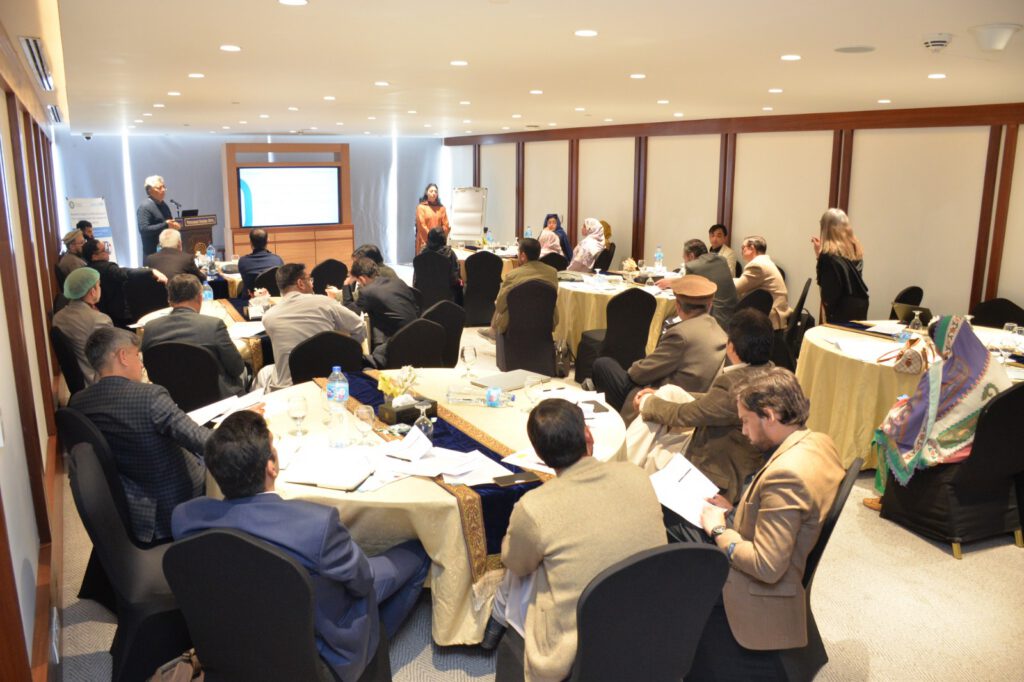
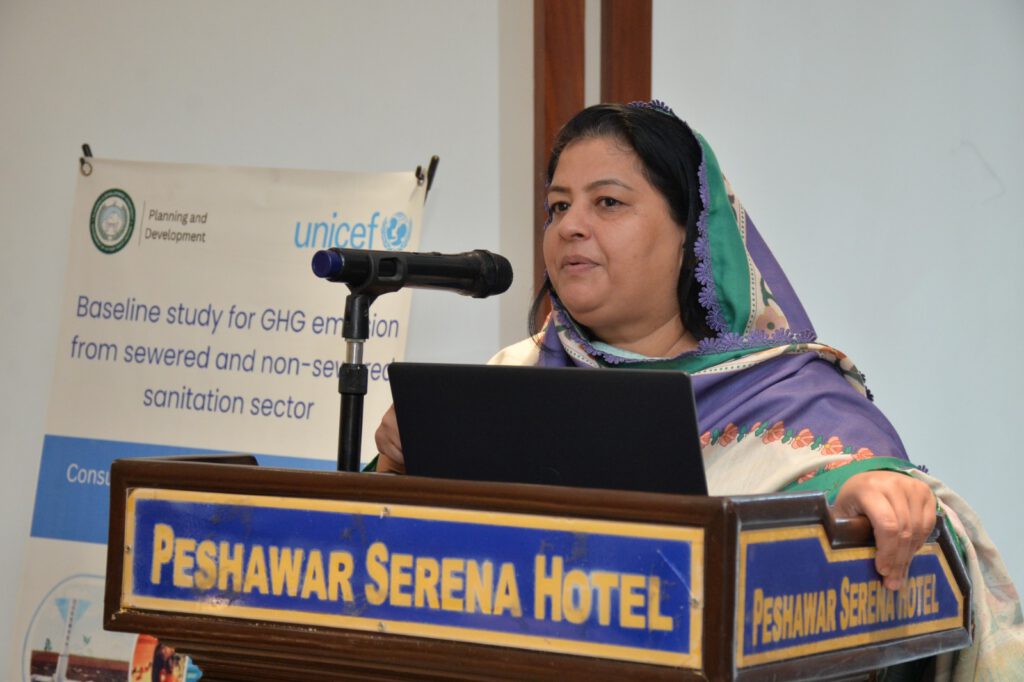
On 4th February 2026, a high-level validation workshop was convened at Serena Hotel, Peshawar, jointly organized by UNICEF, WASHNet, and the Planning & Development Department (P&D), Government of Khyber Pakhtunkhwa. The session was chaired by Mr. Hamza Abbas, Assistant Chief (International Development Cell), P&D Department. The workshop brought together key provincial and federal stakeholders to review and validate the findings of the Baseline Study on Greenhouse Gas (GHG) Emissions from the sewered and non-sewered sanitation sector in KP.
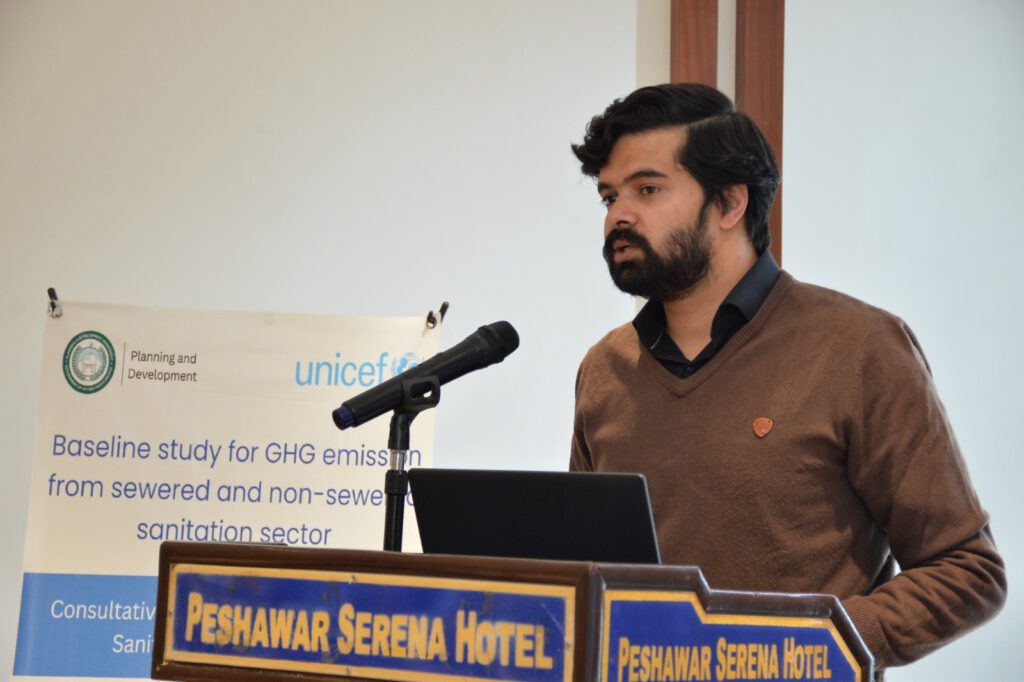
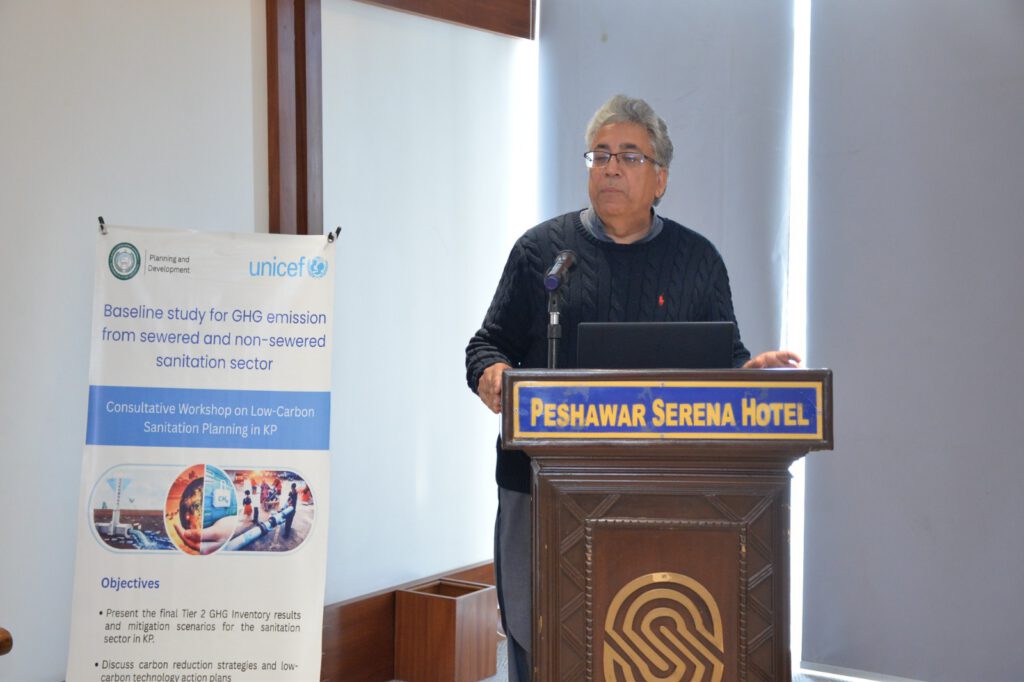
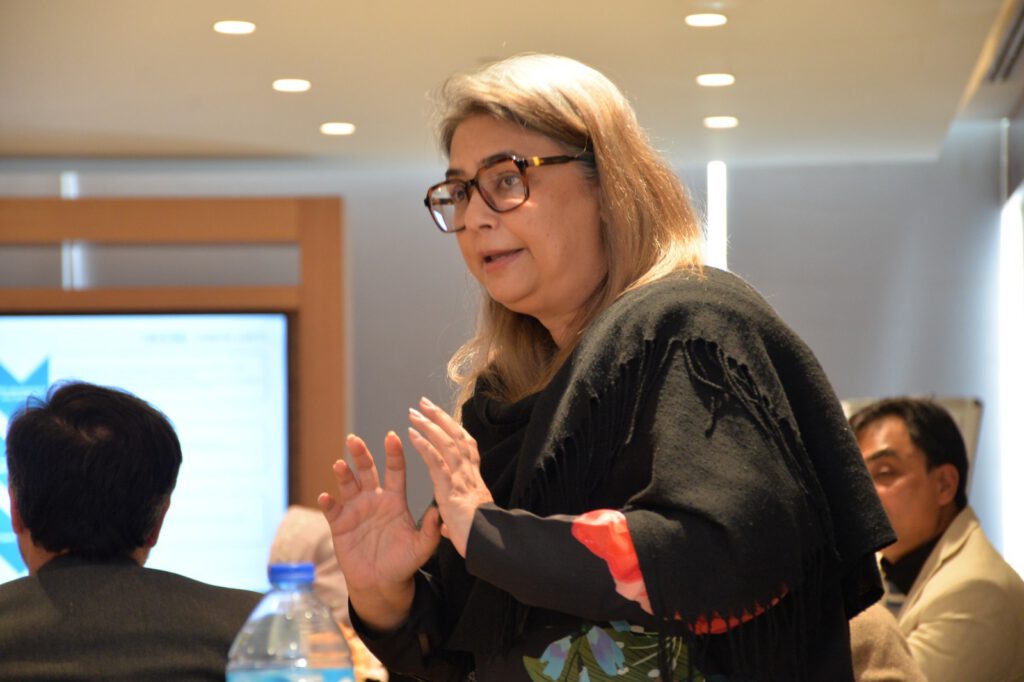
The primary objective of the workshop was to build a shared, evidence-based understanding of methane emission trends in the sanitation value chain and to validate the IPCC-compliant Tier-II GHG inventory developed for the province. The discussions focused on identifying policy, planning, and investment implications for the sanitation sector, exploring low-carbon mitigation pathways, and outlining steps for accessing climate and carbon finance to support KP’s climate mitigation and just transition objectives.
The workshop commenced with welcome remarks from the WASHNet Coordinator on behalf of UNICEF and the P&D Department. Participants were briefed on the purpose of the session and the strategic importance of developing a provincial sanitation emissions baseline. The Public Health Engineering Department (PHED) delivered a detailed presentation on Safely Managed Sanitation (SMS) in KP, highlighting institutional and operational challenges and emphasizing the need to establish a dedicated Sanitation Division or SMS Cell within PHED to strengthen sector coordination and accountability.
The Executive Director of the Global Change Impact Studies Centre (GCISC) underscored Pakistan’s vulnerability to climate change despite its relatively low global emissions contribution. He emphasized that methane and nitrous oxide emissions from the sanitation sector represent a significant yet under-addressed mitigation opportunity. The development of an IPCC 2006/2019-aligned Tier-II inventory was recognized as a critical step toward establishing a credible, data-driven baseline for KP.
The technical team presented the study methodology and key findings, including the development of a provincial GHG inventory covering methane (CH₄) and nitrous oxide (N₂O) emissions. The study estimated that the sanitation sector in KP emits approximately 1.8 million tonnes of CO₂-equivalent annually, with more than 80% of emissions originating from on-site systems such as septic tanks and pit latrines. This represents the first-ever sanitation sector emissions inventory for the province, developed using KP-specific emission factors in line with the 2019 Refinement of the IPCC Guidelines.
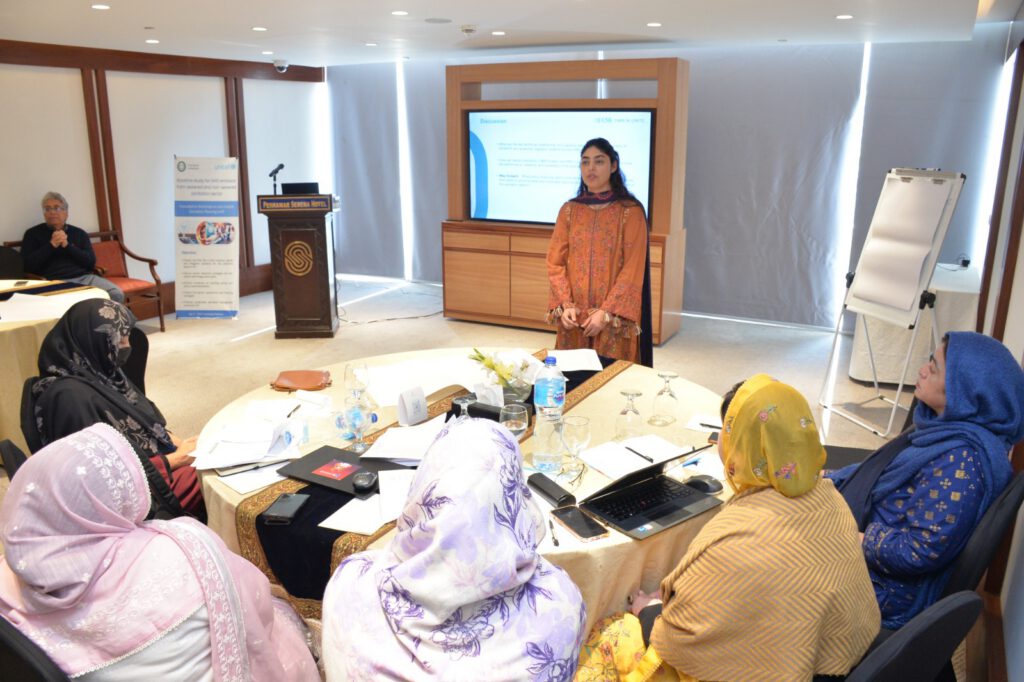
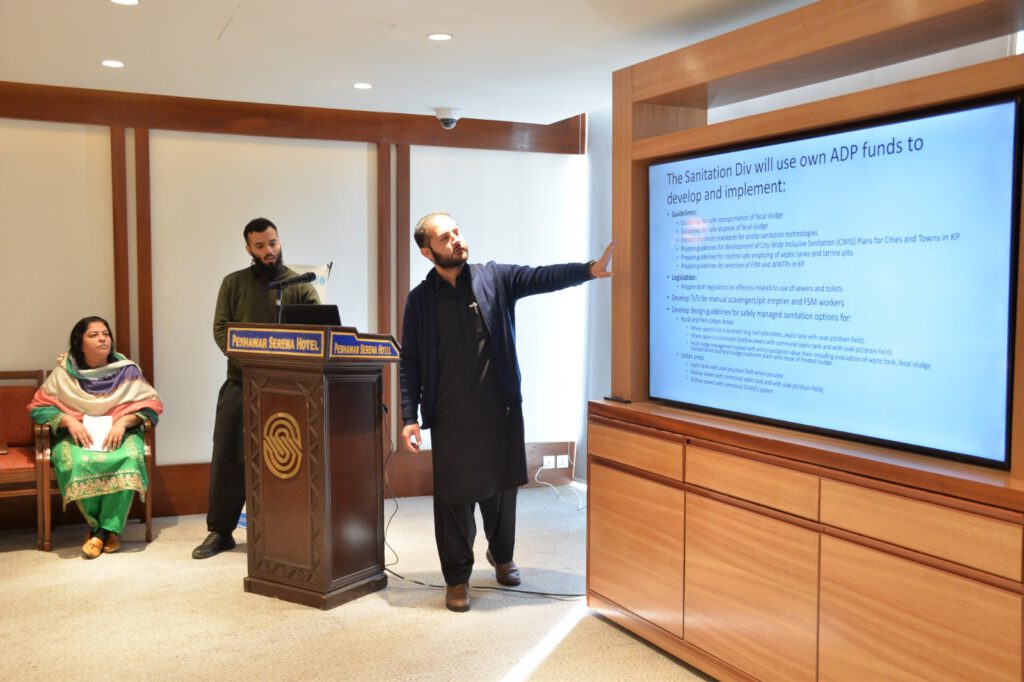
The study also identified Improved Anaerobic Digestion (AD) with biogas capture and Decentralized Wastewater Treatment Systems (DEWATS) as the most promising low-carbon mitigation technologies for KP. Technology Action Plans (TAPs) were presented to outline operational, institutional, and financial measures required to scale these solutions across urban, peri-urban, and rural settings.
Interactive group discussions enabled stakeholders to deliberate on economic, regulatory, and social barriers to implementation, including the need to standardize Fecal Sludge Management (FSM) protocols and streamline environmental permitting processes through KP-EPA. Participants also discussed the development of bankable project concepts and the potential to access international climate finance, including carbon market mechanisms such as Article 6.2 authorized credits for wastewater methane reduction projects.
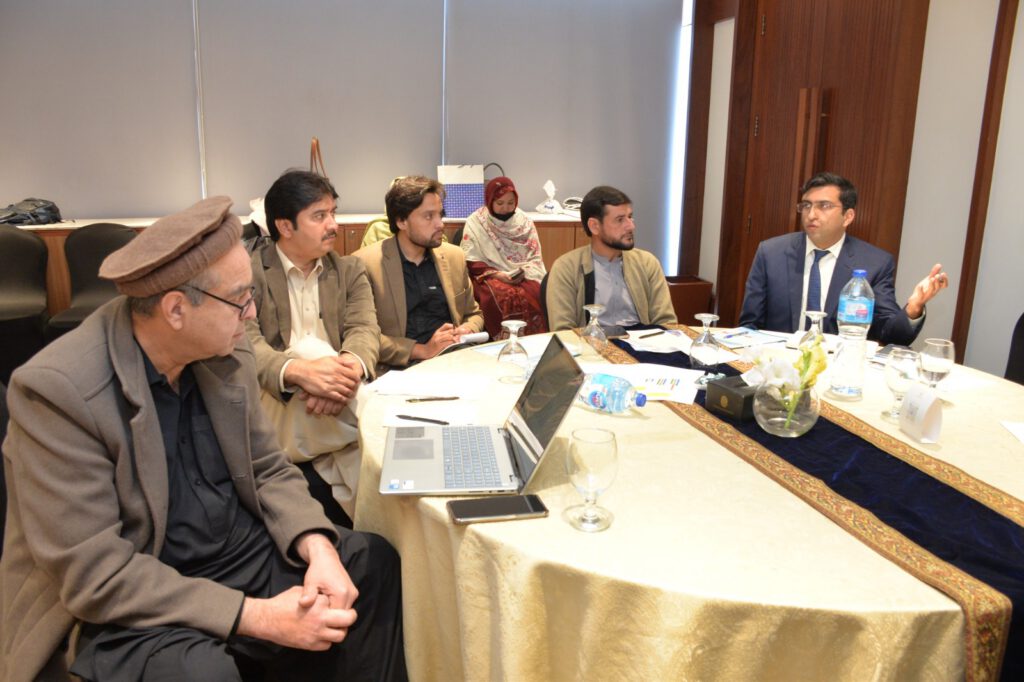
As a way forward, stakeholders proposed strengthening coordination between the Climate Action Board (CAB) and GCISC to regularly update provincial GHG inventories, developing climate financing concept notes with UNICEF’s support, and initiating formal processes for carbon market project development. The workshop concluded with a shared commitment to transform KP’s sanitation sector into a sustainable, low-carbon system aligned with provincial and national climate objectives.